VW 1.8T Timing Belt Marks: Crank, Cam and TDC References
VW/Audi 1.8T 20V timing-belt guide explaining cam-sprocket and crank/flywheel TDC marks, longitudinal vs transverse layouts, tensioners and the rear cam chain.
On a VW/Audi 1.8T 20V, set cylinder 1 to TDC/compression and align the exhaust-cam sprocket mark with the pointer or edge on the rear timing cover/cylinder-head cover specified for the engine code. Verify the crank independently: transverse AWW/AWP-style procedures may use the flywheel TDC mark through the transmission bellhousing window, while longitudinal AWM/AMB procedures commonly show the crank pulley mark against the lower timing cover, with a flywheel/flexplate reference as an additional check. The belt drives the exhaust cam only; the intake cam is synchronized to it by the short chain and hydraulic tensioner at the rear of the head.
The familiar VW 1.8T has two timing drives. At the front, a toothed belt connects the crankshaft to the exhaust cam and water pump. At the transmission end of the cylinder head, a short roller chain connects exhaust and intake cams. A correctly aligned front belt cannot compensate for a rear chain installed one roller out, and vice versa.
Visible TDC references change with packaging. On transverse Golf/Jetta/GTI/TT applications, the flywheel mark can be read through a plug or window at the top of the bellhousing. On longitudinal Passat/A4 applications, service instructions commonly establish TDC using the crank pulley/lower-cover mark while checking the cam sprocket against the rear cover. The center crank bolt and the four small pulley bolts also perform different jobs; confusing them can disturb the crank sprocket.
This page remains indexable but visibly limited until separate AEB/ATW, AWM/AMB and AWW/AWP factory figures are attached. It gives a researched common workflow without implying that one tensioner tool or crank-pointer drawing covers every 1.8T 20V.
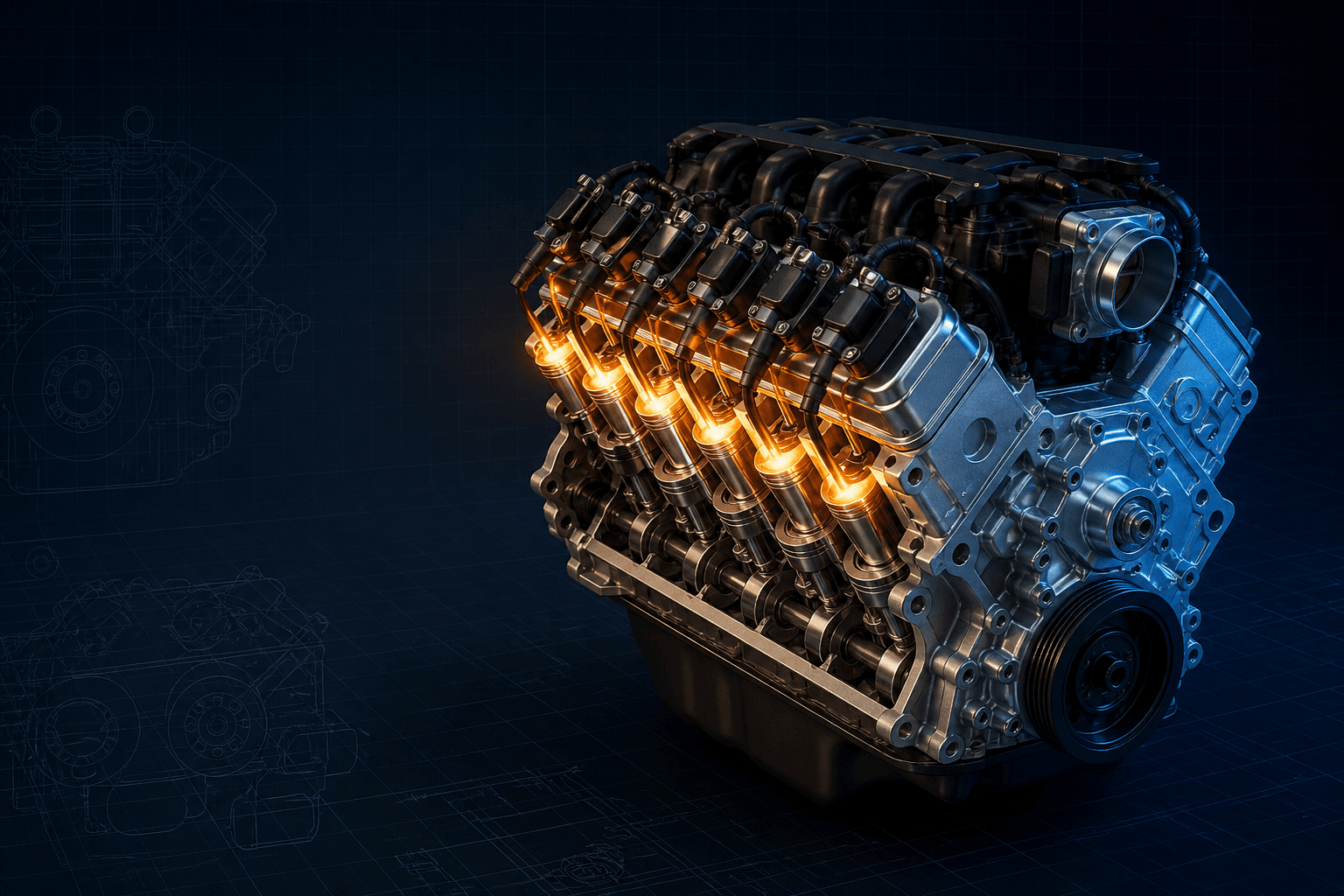
Interactive 1.8T belt-and-chain timing map
Branded downloads includedPNG and PDF exports carry the TorqueSheet logo, torquesheet.com, source-page URL, and republishing attribution request. The PDF source link is clickable.
Functional map separating the front timing belt from the rear cam chain. Select engine code and vehicle layout for the physical crank reference and tensioner.
Vw 1.8t Timing Belt Mark Diagram
| APPLICATION / ITEM | SPECIFICATION | NOTES |
|---|---|---|
| Belt-driven cam | Exhaust camshaft | Front cam sprocket |
| Intake-cam drive | Short rear cylinder-head chain | Hydraulic chain tensioner/adjuster by engine code |
| Cam TDC mark | Cam-sprocket notch to rear-cover/head-cover reference | Read squarely to avoid parallax |
| Crank TDC options | Flywheel window or pulley/lower-cover mark | Application-specific; verify two references when available |
| Final proof | Two clockwise crank turns and both fixed marks | Stop immediately on resistance |
Do not rely on paint marks copied from the old belt. The 1.8T is an interference engine, the four-bolt outer crank pulley can be removed without loosening the center crank-sprocket bolt in many procedures, and early versus late hydraulic belt tensioners use different compression/locking and adjustment tools. Decode the stamped engine code before selecting marks or parts.
How to use this specification correctly
- 01
Find the three-letter engine code on the vehicle data label and block/head identification. Confirm it is a belt-driven 1.8T 20V, not a later 1.8 TSI/EA888.
- 02
Record correlation codes, compression symptoms and existing noise. If cylinder-head work is planned, treat the rear cam chain and adjuster procedure as a separate timed operation.
- 03
Turn the crankshaft clockwise only to cylinder-1 TDC. Align the cam-sprocket notch with its rear-cover/head-cover pointer and verify the application crank mark at the flywheel window or pulley/lower cover.
- 04
Remove the lock carrier/accessories/covers as the vehicle manual directs. Hold the crank at TDC and remove the outer pulley using its small bolts where specified; do not loosen the center crank-sprocket bolt casually.
- 05
Compress and lock the installed tensioner with the exact early/late tool and slow-force method. Mark belt direction only if a serviceable belt will be temporarily reused.
- 06
Inspect crank/cam sprocket teeth and keys, tensioner roller, hydraulic tensioner, water pump and seals. Replace leaking, rough or contaminated components and keep the new belt dry.
- 07
Reconfirm fixed crank and cam marks. Route the belt in the engine-code order while keeping the non-tensioned crank-to-cam span taut; do not move the cam to chase slack created by poor routing.
- 08
Set tension with the specified roller direction, tool, preload/indicator gap and tightening procedure. Early and late tensioner assemblies are not adjusted by the same visual rule.
- 09
Remove locking tools and rotate the crank clockwise through two complete revolutions by hand. Stop if resistance suggests piston-to-valve contact; never use the starter as the first test.
- 10
Return precisely to the crank TDC reference and recheck the cam-sprocket mark, tensioner position and belt tracking. If the head cam chain was disturbed, also verify the engine-code-specific cam bearing-cap marks and chain roller count before startup.
Cam-sprocket mark
At cylinder-1 TDC, the small notch or line on the exhaust-cam sprocket aligns with the cast/stamped reference on the upper rear timing cover or cylinder-head-cover area shown by the application manual. View the surfaces squarely; engine tilt and a thick paint stripe can create a false half-tooth appearance.
The outer valve-cover shape is not a substitute for the actual pointer. Missing or aftermarket rear covers require a second verified reference before belt removal.
Crank pulley versus flywheel TDC
The transverse Mk4/TT guide uses the flywheel mark visible through the bellhousing window. Longitudinal AWM/AMB instructions commonly show the crank pulley mark at the lower cover. When both are accessible, agreement is valuable evidence that the outer pulley, key and reference hardware are correct.
The outer accessory pulley is held by four smaller fasteners on common 1.8T arrangements. The large center bolt retains the crank timing sprocket and is a different, high-consequence service operation with its own replacement/torque procedure.
The rear cam chain is part of valve timing
The front belt directly positions the exhaust cam. The intake cam follows through the short rear chain. Cylinder-head or cam-adjuster work therefore requires both cam bearing-cap reference marks and the engine-code-specific count between chain rollers.
Do not publish or use a generic '16 rollers' statement without the exact manual's counting endpoints and viewing method. A roller count can be correct while a mark is read from the wrong side of a cap.
Tensioner generations and water pump
AEB/ATW, AWM/AMB and AWW/AWP service kits can use different tensioner rollers, dampers and locking tools. Compare the installed assembly, engine code and updated parts bulletin before setting tension.
Because the timing belt drives the water pump, bearing roughness, impeller looseness or leakage threatens belt tracking. Inspect or replace it during belt access using a pump and coolant specification matched to the vehicle.
Final verification checklist
- Three-letter engine code positively identified
- Later EA888/TSI engine excluded
- Cylinder 1 at TDC by fixed crank reference
- Cam notch aligned with correct rear-cover pointer
- Flywheel and pulley marks cross-checked where possible
- Center crank bolt left untouched unless procedure requires it
- Correct tensioner generation and locking tool selected
- Water pump, rollers, seals and belt inspected
- Drive-side belt span held taut during routing
- Two clockwise hand revolutions completed
- Crank, cam, tensioner and tracking rechecked
- Rear cam-chain timing verified if cylinder head was disturbed
Volkswagen / Audi 1.8T 20-valve inline-four specifications can change by model year, engine, platform, wheel, and installed component. Confirm the VIN or engine identity, part numbers, fastener condition, and the current manufacturer instructions before service.
VW 1.8T Timing Belt Marks: Crank, Cam and TDC References FAQs
Which cam does the VW 1.8T timing belt drive?+
The belt drives the exhaust camshaft. A short chain at the rear of the head drives the intake cam from the exhaust cam.
Where is the 1.8T crank TDC mark?+
It depends on application. Transverse procedures may use a flywheel mark through the bellhousing window; longitudinal procedures commonly show the crank pulley mark against the lower cover.
Can I use old paint marks to install the belt?+
Use them only as notes. Final alignment must use the factory crank and cam references because an old belt may already have been installed incorrectly.
Should I remove the large center crank bolt for a 1.8T belt job?+
Not in procedures where the outer pulley is removed with four smaller bolts. The center bolt retains the crank sprocket and should be disturbed only when the exact manual requires it.
Are all 1.8T belt tensioners adjusted the same way?+
No. Engine codes and production dates use different tensioner assemblies, tools and indicator/clearance procedures.
Is the VW/Audi 1.8T 20V an interference engine?+
Yes. Incorrect belt or cam-chain timing can allow piston-to-valve contact, so hand-rotate and verify every fixed mark before using the starter.
Technical sources
TorqueSheet favors engine- and component-specific manufacturer instructions over unsourced universal values.
1VW Mk4 and Audi TT 1.8T timing-belt installation guideThe application guide shows the transverse 1.8T cam reference and the flywheel TDC inspection window used by the covered Mk4/TT configurations.↗