Honda 3.5 V6 J35 Firing Order Diagram
2013–2017 Odyssey 3.5L J35 V6 firing order 1-4-2-5-3-6, cylinder numbering, interactive diagram, connector-routing notes, troubleshooting, FAQs.
The 2013–2017 Odyssey 3.5L J35 V6 firing order is 1-4-2-5-3-6. Rear/firewall bank is 1-2-3 and front/radiator bank is 4-5-6 on the covered transverse 2013–2017 Odyssey installation.
The 2013–2017 Odyssey 3.5L J35 V6 firing order is 1-4-2-5-3-6. Rear/firewall bank is 1-2-3 and front/radiator bank is 4-5-6 on the covered transverse 2013–2017 Odyssey installation. The order is simple to print; the difficult part is applying it to the correct physical cylinders. Honda's application diagram places consecutive cylinders along each bank rather than using the odd/even bank convention seen on many other V6 engines.
A firing-order diagram should answer three separate questions: which cylinder is which, what sequence the crankshaft uses, and how the ignition system reaches each cylinder. VCM references, P030x codes and coil connector locations must be traced by physical cylinder number, not by firing-event position. The interactive drawing below keeps the order visible while the table preserves the numbering notes in crawlable text.
Before disconnecting anything, photograph the harness or leads, label both ends, and identify the engine from a durable source. That five-minute audit is faster than diagnosing a crossed pair after the engine has been reassembled.
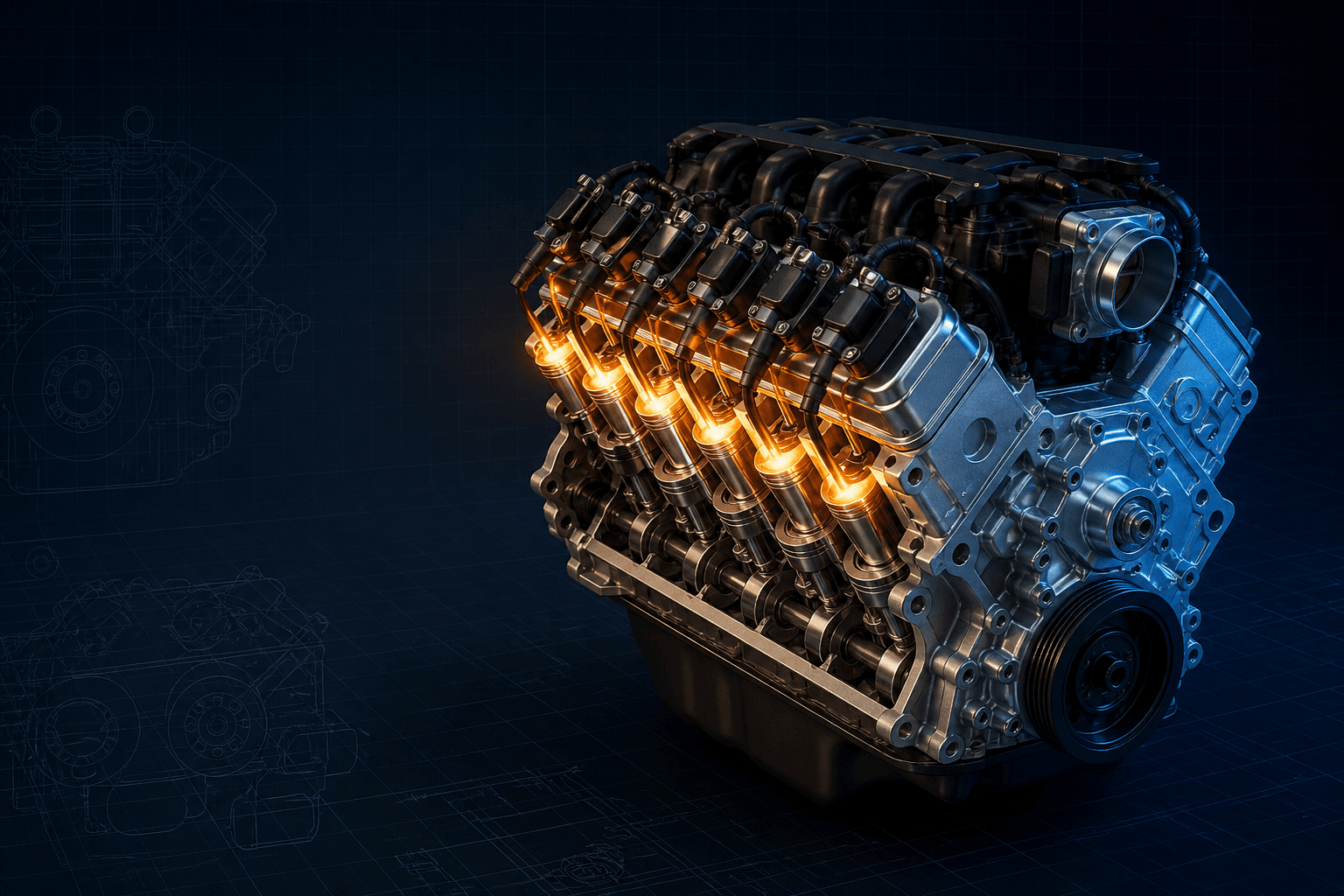
Interactive Honda 2013–2017 Odyssey 3.5L J35 V6 firing-order diagram
Branded downloads includedPNG and PDF exports carry the TorqueSheet logo, torquesheet.com, source-page URL, and republishing attribution request. The PDF source link is clickable.
Select each cylinder to walk through the firing order. Cylinder-bank numbering and distributor direction must match the identified engine family.
Honda 3.5 V6 Firing Order Diagram
| APPLICATION / ITEM | SPECIFICATION | NOTES |
|---|---|---|
| Firing order | 1-4-2-5-3-6 | One complete four-stroke combustion sequence |
| Cylinder numbering | Rear/firewall bank is 1-2-3 and front/radiator bank is 4-5-6 on the covered transverse 2013–2017 Odyssey installation. | Confirm orientation before moving wires or coils |
| Diagnostic rule | Identify before swapping | Coil connector number and cylinder number are not interchangeable |
Honda's application diagram places consecutive cylinders along each bank rather than using the odd/even bank convention seen on many other V6 engines.
The Honda diagram this page is anchored to
Honda's 2025 warranty-extension bulletin for the 2013–2017 Odyssey includes an engine-view diagram that labels the rear, firewall-side bank as cylinders 1-2-3 and the front, radiator-side bank as 4-5-6. The same figure prints the firing order as 1-4-2-5-3-6. That makes this page an application-specific reference for the transverse Odyssey J35, not a promise that every vehicle ever fitted with a J35 presents the engine from the same viewing angle.
The bulletin also identifies the crankshaft-pulley side. That orientation marker matters because words such as left, right, front and rear can change meaning depending on whether a person is standing at the bumper or sitting in the vehicle. Start with the pulley side and the numbered banks shown by Honda; only then translate a scan-tool cylinder number into a physical coil, plug or injector.
How to use the order during a misfire diagnosis
A P0301 through P0306 code names a physical cylinder. It does not name that cylinder's position in the combustion sequence. For example, cylinder 4 is the first cylinder on the front bank in the covered Odyssey layout, even though it is the second event in 1-4-2-5-3-6. Record freeze-frame data and any companion fuel-trim or injector codes before clearing memory.
A careful coil-swap test changes one thing at a time. Label both coils, move the suspected coil to a known cylinder, clear the code only after recording it, and repeat the operating conditions that set the fault. If the misfire follows the coil, the result points toward the coil or its connection. If it stays on the original cylinder, continue with the plug, injector command, compression, valve clearance and mechanical checks rather than replacing an entire bank of parts.
VCM and bank language without the common mix-ups
Honda's Variable Cylinder Management strategy is one reason J35 searches often mention particular cylinders or a rear bank. VCM information is calibration- and vehicle-specific; it does not change the mechanical firing order or renumber the engine. Treat a VCM-related symptom, oil-consumption concern or bulletin as a separate diagnostic layer and confirm the exact VIN eligibility before applying it.
Bank 1 on the cited transverse layout is the firewall bank because that bank contains cylinder 1. Bank identity follows cylinder numbering—not the driver's seating position and not whichever side is easiest to reach. Oxygen-sensor bank labels, coil connector labels and physical cylinder numbers should all be checked against the same application diagram before parts are swapped.
Reading the 2013–2017 Odyssey 3.5L J35 V6 diagram correctly
Rear/firewall bank is 1-2-3 and front/radiator bank is 4-5-6 on the covered transverse 2013–2017 Odyssey installation. Read the vehicle as installed and use the manufacturer's left/right convention, not the side from which you happen to be standing. The first cylinder listed in 1-4-2-5-3-6 begins the sequence but does not define a universal connector position.
Honda's application diagram places consecutive cylinders along each bank rather than using the odd/even bank convention seen on many other V6 engines. VCM references, P030x codes and coil connector locations must be traced by physical cylinder number, not by firing-event position. On coil-on-plug engines, use the diagram for cylinder identity and diagnosis; the PCM, not a physical distributor cap, schedules spark.
Which 2013–2017 Odyssey 3.5L J35 V6 firing order applies?
Honda's application diagram places consecutive cylinders along each bank rather than using the odd/even bank convention seen on many other V6 engines. This distinction matters because the engine can look nearly identical from above. Treat the camshaft or engine assembly as the authority when parts have been mixed. A firing order cast into an intake, copied from a generic decal, or remembered from another V8 is not enough to identify a modified engine.
The application table separates the order, cylinder banks, and ignition-system notes. Read all columns before routing. The first number in 1-4-2-5-3-6 is cylinder 1, but the physical No. 1 terminal can appear in different clock positions when a distributor has been installed on a different gear tooth.
Bank numbering and verification on the 2013–2017 Odyssey 3.5L J35 V6
VCM references, P030x codes and coil connector locations must be traced by physical cylinder number, not by firing-event position.
Honda's application diagram places consecutive cylinders along each bank rather than using the odd/even bank convention seen on many other V6 engines.
Honda 2013–2017 Odyssey 3.5L J35 V6 specifications can change by model year, engine, platform, wheel, and installed component. Confirm the VIN or engine identity, part numbers, fastener condition, and the current manufacturer instructions before service.
Procedures used with this specification
These steps are the same for every vehicle in this family, so they are documented once rather than repeated on each page. The values above remain specific to this Honda 2013–2017 Odyssey 3.5L J35 V6.
Honda 3.5 V6 J35 Firing Order Diagram FAQs
What is the firing order for the 2013–2017 Honda Odyssey 3.5L J35?+
Honda's application diagram lists 1-4-2-5-3-6.
Where is cylinder 1 on the covered Honda J35?+
It is on the rear/firewall-side bank. That bank contains cylinders 1-2-3; the front/radiator-side bank contains 4-5-6.
Does P0304 mean the fourth event in the firing order?+
No. P0304 identifies physical cylinder 4, which is the second combustion event in the 1-4-2-5-3-6 sequence.
Can I use this bank orientation for every Honda or Acura J35?+
Do not assume so. The order is well established, but installed orientation, suffix, wiring and service procedures must be confirmed for the exact vehicle and J35 variant.
Technical sources
TorqueSheet favors engine- and component-specific manufacturer instructions over unsourced universal values.
1Honda service bulletin 25-060 — J35 cylinder layout and firing orderHonda-authored 2013–2017 Odyssey repair bulletin with an engine-view diagram labeling Bank 1 cylinders 1-2-3, Bank 2 cylinders 4-5-6 and firing order 1-4-2-5-3-6.↗