2014 Volkswagen Passat Wheel Bolt Torque: 140 N·m
2014 Volkswagen Passat Wheel Bolt Torque: 140 N·m with year and generation cautions, dry-thread guidance, tightening pattern.
Volkswagen's 2014 Passat specification book lists 140 N·m (about 103 lb-ft) for the wheel bolts on all covered vehicles.
Volkswagen's 2014 Passat specification book lists 140 N·m (about 103 lb-ft) for the wheel bolts on all covered vehicles.
The exact value is anchored to the North American Passat covered by the February 2014 specification book. Earlier or later Passat platforms, imported B-series variants, special wheels and non-original fasteners require their own documentation.
Do not borrow the 120-N·m Golf or Jetta figure: Volkswagen publishes 140 N·m for this Passat application. Use undamaged bolts with the correct seat and length, clean the mating surfaces, start by hand and tighten diagonally with a calibrated wrench.
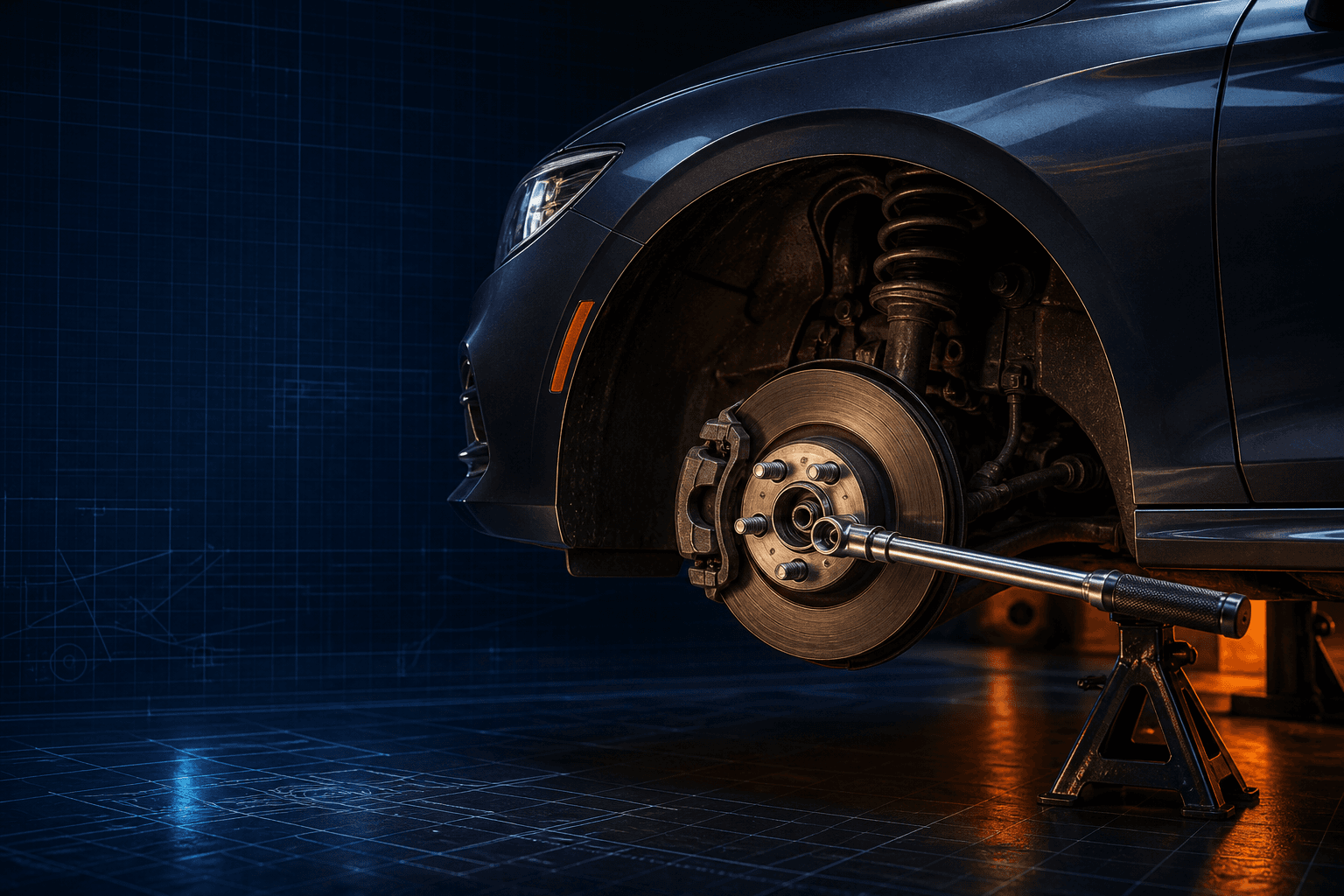
Interactive Volkswagen 2014 Passat lug-tightening diagram
STAR PATTERN
Branded downloads includedPNG and PDF exports carry the TorqueSheet logo, torquesheet.com, source-page URL, and republishing attribution request. The PDF source link is clickable.
Select each position to follow a five-lug star pattern. Six-lug wheels use the same opposite-side principle; follow the pattern in the exact owner manual.
Volkswagen Passat Lug Nut Torque Spec
| APPLICATION / ITEM | SPECIFICATION | NOTES |
|---|---|---|
| 2014 Passat | 140 N·m | About 103 lb-ft; all vehicles in cited book |
| Golf/Jetta comparison | Do not substitute 120 N·m | Different documented application |
| Bolt installation | Hand-started, diagonal | Avoid cross-threading and uneven seating |
| Other Passat platform | VIN/manual lookup | Model name alone is insufficient |
Do not borrow the 120-N·m Golf or Jetta figure: Volkswagen publishes 140 N·m for this Passat application. Use undamaged bolts with the correct seat and length, clean the mating surfaces, start by hand and tighten diagonally with a calibrated wrench.
Why this Passat uses 140 N·m
The February 2014 Volkswagen Passat quick-reference book explicitly lists 140 N·m for wheel bolts to the hub on all vehicles it covers. That is approximately 103 lb-ft and corrects the often-repeated 120-N·m passenger-car shortcut.
Volkswagen model names do not guarantee identical wheel fasteners. The North American Passat platform represented here must be separated from Golf/Jetta applications and from European or later Passat generations.
Do not solve a loose wheel with extra torque
Correct clamping starts with a clean, flat hub-to-wheel joint and bolts that match the wheel seats. Rust scale, a bent wheel, wrong bolt radius or insufficient engagement can allow movement even when the wrench clicks at 140 N·m.
If a wheel repeatedly loosens, inspect the bolt seats, hub threads, wheel mounting face and runout. Raising the setting above Volkswagen's value can stretch hardware or damage threads without repairing the fault.
Passat wheel installation sequence
Start all five correct bolts by hand. Snug them in a star pattern while the wheel remains centered, then lower the car only enough to prevent rotation so the wheel is not pulled crooked under full vehicle weight.
Complete the same diagonal order at 140 N·m using a calibrated torque wrench. Confirm every position once; do not keep pulling on a click wrench repeatedly after it signals the setting.
How to read the 2014 Passat torque table
Start with model year and platform rather than wheel diameter. Factory 17-, 18-, and 20-inch wheels can share a value when they use the same stud and seat design, while two trucks sold in the same calendar year can differ because one is an outgoing platform. The exact value is anchored to the North American Passat covered by the February 2014 specification book. Earlier or later Passat platforms, imported B-series variants, special wheels and non-original fasteners require their own documentation.
The figures in this guide assume original-equipment-style fasteners and clean, dry threads unless the cited manufacturer says otherwise. If an aftermarket wheel, spacer, conversion stud, locking nut, or repair kit supplies a different instruction, that component-specific document controls. Record the final value on the work order so the next technician does not have to infer it.
Common mistakes that produce an unsafe wheel installation
Do not borrow the 120-N·m Golf or Jetta figure: Volkswagen publishes 140 N·m for this Passat application. Use undamaged bolts with the correct seat and length, clean the mating surfaces, start by hand and tighten diagonally with a calibrated wrench. Treat an unfamiliar nut seat, stud, spacer, or wheel as a reason to stop and identify the hardware before tightening.
- Using a value from a different generation, heavy-duty model, or aftermarket wheel.
- Applying oil or anti-seize to a specification written for dry threads.
- Cross-threading with an impact gun instead of starting every nut by hand.
- Tightening clockwise around the circle instead of using an opposite-side pattern.
- Letting the full vehicle weight trap a wheel that is not yet centered on the hub.
- Skipping the confirmation pass and the post-service recheck.
Volkswagen 2014 Passat specifications can change by model year, engine, platform, wheel, and installed component. Confirm the VIN or engine identity, part numbers, fastener condition, and the current manufacturer instructions before service.
Procedures used with this specification
These steps are the same for every vehicle in this family, so they are documented once rather than repeated on each page. The values above remain specific to this Volkswagen 2014 Passat.
2014 Volkswagen Passat Wheel Bolt Torque: 140 N·m FAQs
What is the 2014 Volkswagen Passat wheel-bolt torque?+
Volkswagen lists 140 N·m, approximately 103 lb-ft, for all Passat vehicles covered by the cited 2014 book.
Can I use the Golf or Jetta 120-N·m value on this Passat?+
No. Volkswagen publishes a separate 140-N·m value for the covered Passat application.
Why might a correctly torqued Passat wheel still loosen?+
Incorrect bolt seats, inadequate thread engagement, corrosion, a damaged wheel or an unseated mounting face can prevent proper clamping.
Does this Passat chart cover every model year worldwide?+
No. It is anchored to the North American 2014 specification book; verify other generations and markets separately.
Technical sources
TorqueSheet favors engine- and component-specific manufacturer instructions over unsourced universal values.
12014 VW Passat Quick Reference Specification BookVolkswagen Group of America specification book listing 140 N·m for wheel bolts to the hub on all covered Passat vehicles.↗