Nissan VQ35DE Timing Chain Alignment: Primary and Secondary Marks
Nissan VQ35DE timing-chain alignment guide explaining the primary chain, two secondary chains, bank-specific cam marks, colored links.
The VQ35DE uses one primary chain from the crankshaft sprocket to both intake-cam sprockets and two secondary chains, one per bank, connecting each intake cam to its exhaust cam. Set No. 1 cylinder at TDC/compression using the exact vehicle manual. Match every marked chain link to its punched, notched or stamped sprocket reference, keeping right- and left-bank secondary marks separate. On the cited longitudinal FX35 procedure, circle-type marks identify the right bank and oval-type marks the left bank, and the intake references are read from the rear side. Link colors and mark shapes can differ in transverse applications, so do not copy a color-only diagram across vehicles.
The VQ35DE timing drive is frequently drawn as one long chain around four cam gears. That is mechanically misleading. The primary chain turns the two intake camshafts, while a short secondary chain on each bank transfers motion from the intake cam to the exhaust cam. An engine can therefore have the crank and intake cams aligned while one secondary chain is still a tooth out.
Nissan installed the VQ35DE in both longitudinal vehicles such as the 350Z, G35 and FX35 and transverse vehicles such as the Altima, Maxima, Murano and Quest. Packaging, covers and published colored-link conventions vary. For example, the cited 2011 Maxima procedure uses pink primary links at the cam references and an orange link at the crank, while another Nissan procedure identifies a yellow link and copper secondary references. The physical stamped/notched marks and the application manual—not color memory—control the job.
This page remains indexable but visibly limited until separate licensed Nissan illustrations are attached for the major layouts. It is deliberately useful as a crawlable architecture and verification guide without disguising a generic graphic as the factory alignment diagram for every VQ35DE.
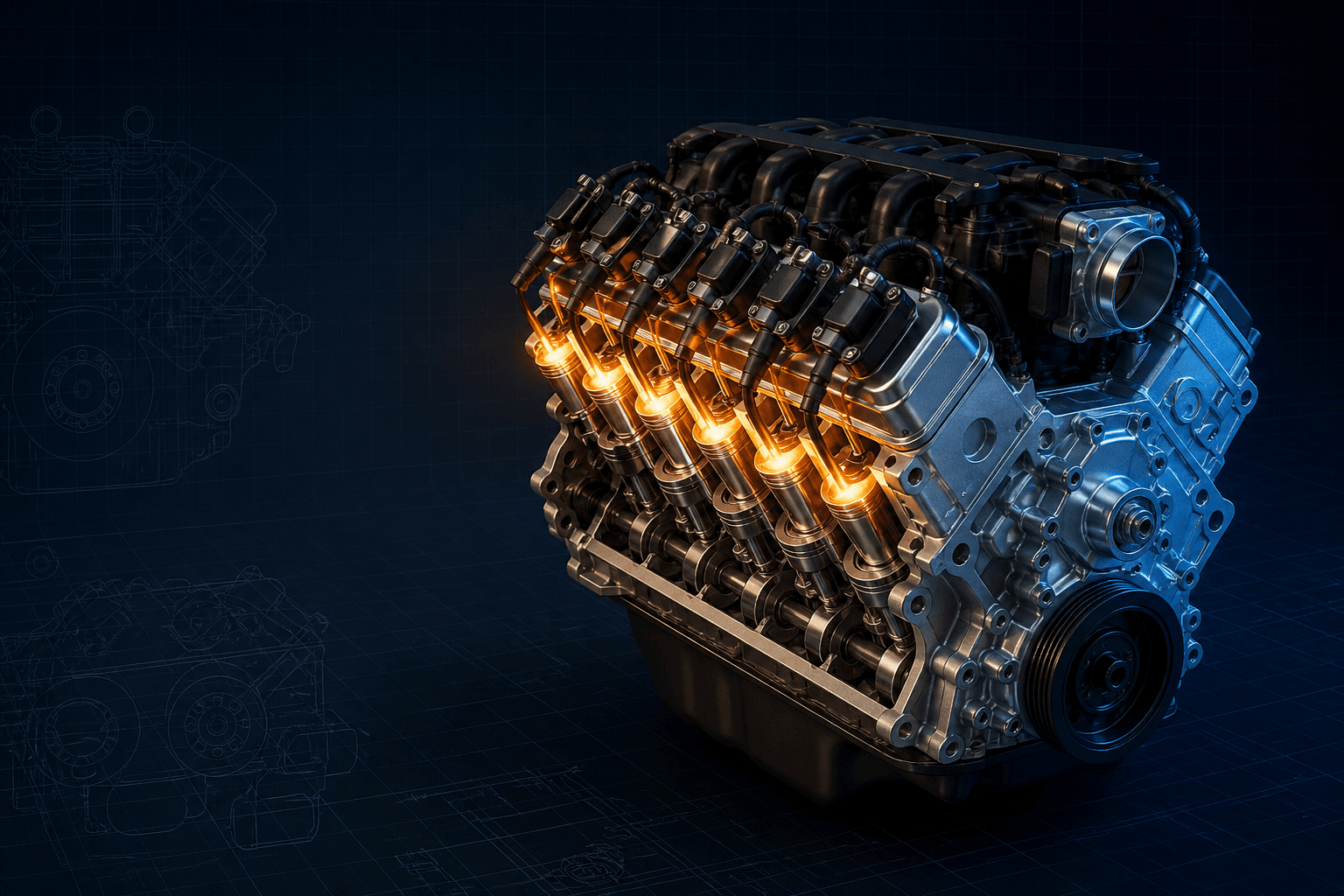
Interactive VQ35DE three-chain architecture
Branded downloads includedPNG and PDF exports carry the TorqueSheet logo, torquesheet.com, source-page URL, and republishing attribution request. The PDF source link is clickable.
Functional map of the primary and two secondary chains. It is not a universal link-color or physical connector drawing; use the VIN-specific Nissan illustration for assembly.
Nissan Vq35de Timing Chain Alignment Diagram
| APPLICATION / ITEM | SPECIFICATION | NOTES |
|---|---|---|
| Primary chain | Crank sprocket to both intake-cam sprockets | Also interfaces with guides, tensioner and chain-driven water-pump system by application |
| Secondary chains | One per bank: intake cam to exhaust cam | Bank marks are not interchangeable |
| Longitudinal bank symbols | Circle RH; oval LH | Cited FX35 procedure; verify exact manual |
| Intake mark viewing | Rear side on cited FX35 sprockets | Easy to miss from the front |
| Final verification | Fixed marks, tension and hand rotation | Colored links do not immediately repeat |
Colored links are installation aids, not recurring inspection marks. After the crank is rotated, the links normally will not return to all sprocket marks after only two revolutions even though mechanical timing is correct. Final proof is smooth controlled hand rotation, correct fixed sprocket relationships at the manual's reference position, correct tensioner deployment and valid cam/crank correlation after startup.
How to use this specification correctly
- 01
Decode the VIN and confirm the exact engine is VQ35DE, not VQ35HR, VQ37VHR or an unverified Rev Up configuration. Select the Nissan/Infiniti manual by model, year and drivetrain layout.
- 02
Record cam/crank correlation codes and live intake-valve-timing data before disassembly. Check oil level, viscosity and VVT control faults before concluding that chain alignment is the cause.
- 03
Remove accessories, covers and timing cases in the application sequence. Protect oil passages, O-rings and sealing faces, and note every different-length bolt location.
- 04
Set No. 1 cylinder to TDC/compression exactly as the manual specifies before releasing tension. Confirm the crank key/reference and cam sprocket marks, not paint marks left by a previous repair.
- 05
Compress and pin the primary and secondary tensioners by the factory procedure. Do not rotate the crankshaft and camshafts independently once the chains are removed unless the manual directs a safe intermediate position.
- 06
Time each secondary chain on the bench or engine in the prescribed order. Match both marked links to the intake and exhaust sprocket marks for that bank; on the cited longitudinal procedure, use circle marks for RH and oval marks for LH and inspect the rear-side intake mark.
- 07
Install both intake/secondary-chain assemblies with their dowel pins and pin holes correctly engaged. Hold camshafts only at the provided hex; never use the chain as a counterhold.
- 08
Install the primary chain by matching its designated links to both intake-sprocket references and the crankshaft-sprocket notch. Use the exact manual's colors because transverse and longitudinal publications differ.
- 09
Install guides and tensioners, verify every marked link before pulling retaining pins, and confirm each tensioner shoe contacts the intended chain span. Do not disassemble an intake VVT sprocket or loosen its internal actuator bolts.
- 10
Rotate the crankshaft clockwise by hand through the manual's verification cycle. Stop on abnormal resistance, recheck fixed mechanical relationships and tensioner extension, then seal and assemble the cases using the specified sealant paths, O-rings and torque/angle procedures.
Primary versus secondary chain alignment
The primary chain establishes crank-to-intake-cam timing for both banks. Each secondary chain then establishes intake-to-exhaust phasing within one bank. Treat these as three related timing operations rather than one continuous belt-style loop.
Verify the two secondary assemblies before relying on the primary-chain view. A secondary-chain error can hide behind correctly positioned intake sprockets and may appear later as a bank-specific correlation code, rough running or internal contact.
Bank marks and rear-side references
The cited FX35 factory procedure uses circle-type mating marks for the right bank and oval-type marks for the left bank. It also notes that the intake-cam sprocket reference is on the rear side. These details prevent swapping visually similar secondary assemblies or aligning to an unrelated front-face stamp.
Right and left are vehicle orientation. A technician facing a longitudinal engine sees the banks reversed from the driver's-seat convention; label removed components before they leave the engine.
Why link colors are not universal
Nissan manuals use colored links to make initial assembly obvious, but the named colors differ by chain supplier, model year and procedure. A 2011 Maxima reference should not be assumed to describe an early FX35, 350Z or Murano chain set.
Identify the physical sprocket marks first, then use the link colors printed in the exact manual and supplied chain instructions. If a replacement chain uses different colors, its manufacturer must provide an equivalency map; do not guess from photographs.
VVT sprocket and sealing cautions
VQ35DE intake sprockets contain valve-timing control mechanisms. Nissan warns against disassembling the sprocket or loosening internal bolts. Use the camshaft hex and specified holding method for external fasteners so load is not transmitted through the chain or actuator.
The front and rear timing cases contain oil passages and precisely routed liquid-gasket beads. Excess sealant can block a gallery; missing sealant or damaged O-rings can cause leaks or low control-oil pressure. Photograph bolt locations and follow the application drawing exactly.
Final verification checklist
- VIN, year, layout and exact VQ engine variant confirmed
- No. 1 TDC/compression established before removal
- RH and LH secondary chains kept separate
- Every secondary link matched to the correct bank symbols
- Rear-side intake sprocket marks inspected where applicable
- Primary links matched to both intake gears and crank notch
- Cam dowels and sprocket pin holes fully engaged
- All guides and tensioners installed and released
- Intake VVT sprockets not disassembled
- Clockwise hand rotation completed without interference
- Fixed mechanical marks and chain tension rechecked
- Sealant paths, O-rings and bolt locations copied from exact manual
Nissan / Infiniti VQ35DE 3.5L V6 specifications can change by model year, engine, platform, wheel, and installed component. Confirm the VIN or engine identity, part numbers, fastener condition, and the current manufacturer instructions before service.
Nissan VQ35DE Timing Chain Alignment: Primary and Secondary Marks FAQs
How many timing chains does a VQ35DE have?+
Three: one primary chain from the crank to both intake cams and two secondary chains connecting each intake cam to its exhaust cam.
Are VQ35DE timing-chain link colors the same in every vehicle?+
No. Nissan procedures use different named colors by application and chain set. Match the exact manual and replacement-chain instructions to the physical sprocket marks.
Why do the colored links not line up after two crank revolutions?+
The chain and sprocket tooth counts make the marked links advance around the drive. Fixed shaft timing can be correct even though the installation links have not returned.
Which VQ35DE bank uses circle and oval timing marks?+
In the cited longitudinal FX35 factory procedure, circle marks identify the right-bank secondary chain and oval marks identify the left bank. Confirm this in the exact vehicle manual.
Can I use this alignment for a VQ35HR or VQ37VHR?+
No. Those are different engine architectures. Do not apply a VQ35DE chain procedure to an HR or VHR engine.
Can I hold a VQ35DE cam sprocket with the timing chain?+
No. Use the camshaft hex and the factory holding procedure. Loading the chain or VVT mechanism can damage components or disturb alignment.
Technical sources
TorqueSheet favors engine- and component-specific manufacturer instructions over unsourced universal values.
1Nissan VQ35DE engine-mechanical timing-chain procedureNissan's service procedure identifies the primary and secondary chain marks, tensioners, guides and intake-cam sprocket handling cautions for the specified VQ35DE application.↗22004 Infiniti FX35 VQ35DE factory service manualThe factory manual distinguishes circle marks for the right bank and oval marks for the left bank and shows the rear-side intake-sprocket references.↗