1996 Ford 302 Flywheel Bolt Torque Specs
1996 Ford 302 Flywheel Bolt Torque Specs with fastener-group distinctions, installation cautions, application limits and official source lookup.
For the covered 1996 Ford F-150 5.0L/302, tighten the production flywheel-to-crankshaft bolts to 75–85 lb-ft (102–115 N·m).
For the covered 1996 Ford F-150 5.0L/302, tighten the production flywheel-to-crankshaft bolts to 75–85 lb-ft (102–115 N·m).
The range is tied to the documented production crankshaft and flywheel joint. Automatic-transmission flexplates, aftermarket flywheels, performance bolt kits, different rear-main-seal generations and engine swaps require their exact parts documentation.
Confirm the correct 50-ounce-inch imbalance for the late production 5.0L combination, clean the crank flange and flywheel mating faces, install the specified bolts and thread treatment, and tighten progressively in a crisscross pattern. Runout and balance cannot be corrected by extra torque.
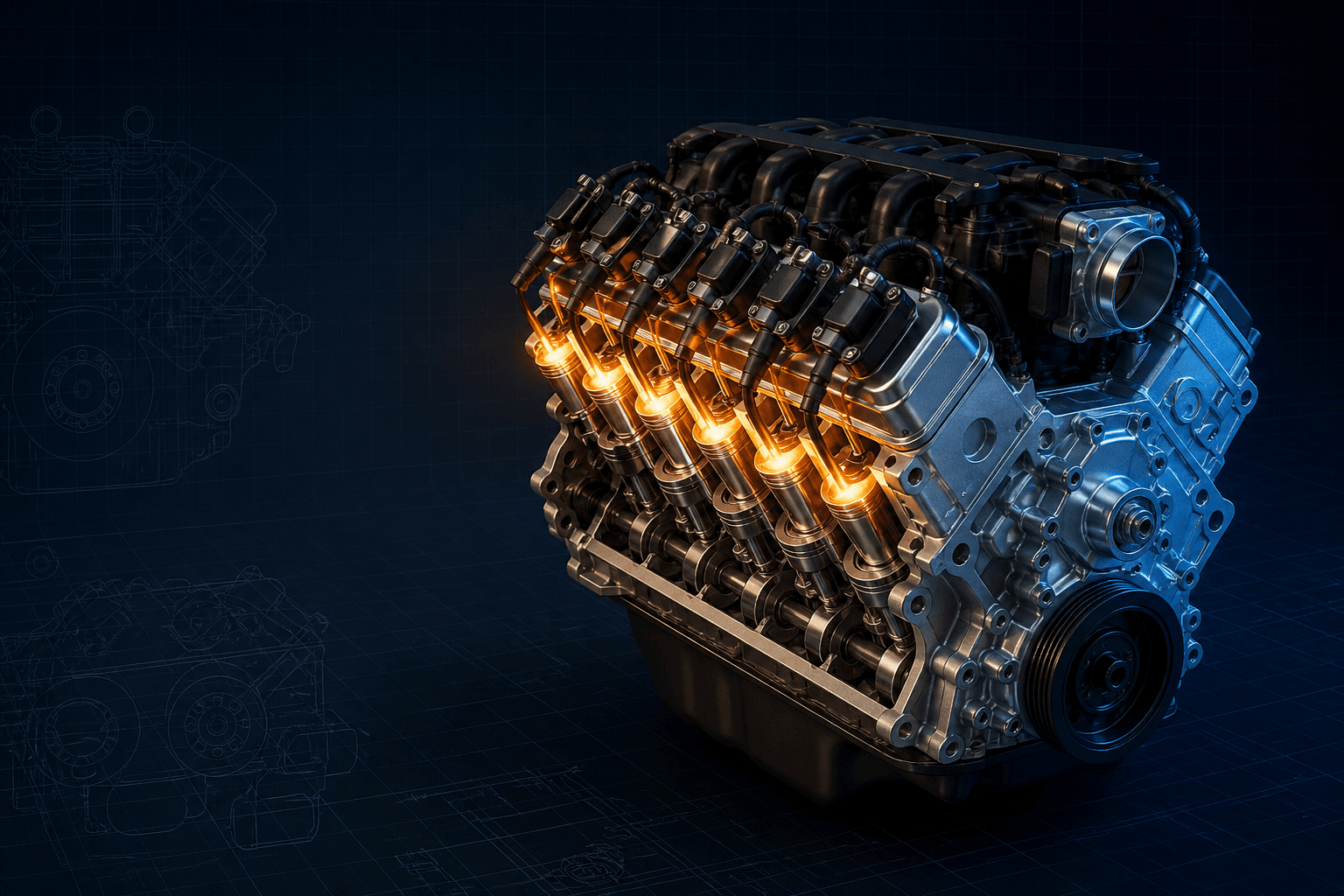
Interactive 1996 F-150 5.0L/302 V8 fastener map
Branded downloads includedPNG and PDF exports carry the TorqueSheet logo, torquesheet.com, source-page URL, and republishing attribution request. The PDF source link is clickable.
Orientation aid only. Match every position and stage to the exact service diagram.
Ford 302 Flywheel Torque Spec
| APPLICATION / ITEM | SPECIFICATION | NOTES |
|---|---|---|
| Flywheel to crankshaft | 75–85 lb-ft | 102–115 N·m; covered 1996 5.0L |
| Balance compatibility | Match engine and flywheel | Late 5.0L commonly uses 50 oz-in imbalance |
| Aftermarket flywheel or bolts | Manufacturer chart | Thread lubricant changes clamp load |
Confirm the correct 50-ounce-inch imbalance for the late production 5.0L combination, clean the crank flange and flywheel mating faces, install the specified bolts and thread treatment, and tighten progressively in a crisscross pattern. Runout and balance cannot be corrected by extra torque.
How to use this specification correctly
- 01
Identify the exact engine, component, fastener size and hardware instructions.
- 02
Clean and inspect threads and mating faces; apply only the specified lubricant or sealant.
- 03
Tighten in gradual balanced passes and verify any angle, cure-time or recheck instruction.
The covered production flywheel joint
Ford lists 75–85 lb-ft for the 1996 5.0L flywheel-to-crankshaft bolts. Apply that range only after identifying the manual flywheel, production-style crank flange and matching bolt set.
Automatic flexplates, aftermarket steel or aluminum flywheels and performance bolts may use different thread treatment and torque. Their instructions replace the factory production row.
Balance, seating and runout checks
The late 5.0L normally requires the matching 50-ounce-inch imbalance. A flywheel with the wrong balance can produce severe vibration even if every bolt is tightened correctly.
Clean both mating faces, verify dowels or indexing features, hand-start the correct bolts and tighten in progressive crisscross passes. Measure runout when the service or flywheel instructions require it; torque cannot pull dirt or a burr flat safely.
Application boundaries for 1996 F-150 5.0L/302 V8
The range is tied to the documented production crankshaft and flywheel joint. Automatic-transmission flexplates, aftermarket flywheels, performance bolt kits, different rear-main-seal generations and engine swaps require their exact parts documentation.
Confirm the correct 50-ounce-inch imbalance for the late production 5.0L combination, clean the crank flange and flywheel mating faces, install the specified bolts and thread treatment, and tighten progressively in a crisscross pattern. Runout and balance cannot be corrected by extra torque.
Ford 1996 F-150 5.0L/302 V8 specifications can change by model year, engine, platform, wheel, and installed component. Confirm the VIN or engine identity, part numbers, fastener condition, and the current manufacturer instructions before service.
1996 Ford 302 Flywheel Bolt Torque Specs FAQs
What is the 1996 Ford 302 flywheel-bolt torque?+
The covered F-150 service specification is 75–85 lb-ft (102–115 N·m).
Does this value apply to an automatic flexplate?+
Do not assume so. Use the transmission, flexplate and bolt procedure for the exact automatic application.
What imbalance does a late Ford 5.0L flywheel commonly use?+
The covered late-production family commonly uses a 50-ounce-inch imbalance, but confirm the crank and flywheel part numbers.
Do aftermarket flywheel bolts use 75–85 lb-ft?+
Use the bolt maker's specified lubricant and torque because friction and bolt design can change the required value.
Technical sources
TorqueSheet favors engine- and component-specific manufacturer instructions over unsourced universal values.
1Ford owner manualsOfficial Ford year/VIN manual lookup.↗