1988 Chevy 350 Flexplate Bolt Torque Specs
1988 Chevy 350 Flexplate Bolt Torque Specs with application boundaries, staged installation guidance, fastener cautions and official service-information source.
For the covered 1988 Chevrolet C1500 5.7L/350 automatic, tighten the flexplate-to-crankshaft bolts to 75 lb-ft (100 N·m). Tighten the separate flexplate-to-torque-converter bolts to 50 lb-ft (65 N·m).
For the covered 1988 Chevrolet C1500 5.7L/350 automatic, tighten the flexplate-to-crankshaft bolts to 75 lb-ft (100 N·m). Tighten the separate flexplate-to-torque-converter bolts to 50 lb-ft (65 N·m).
The two values apply to the documented 1988 C1500 350 and production automatic-transmission joints. Other model years, one-piece rear-main-seal conversions, different converters, aftermarket plates and performance bolts require their exact procedures.
The crank bolts and converter bolts are physically close but clamp different joints. Confirm flexplate offset, balance weight, tooth count and converter pattern, inspect the ring gear, and tighten each group progressively; a backward or mismatched plate cannot be corrected with torque.
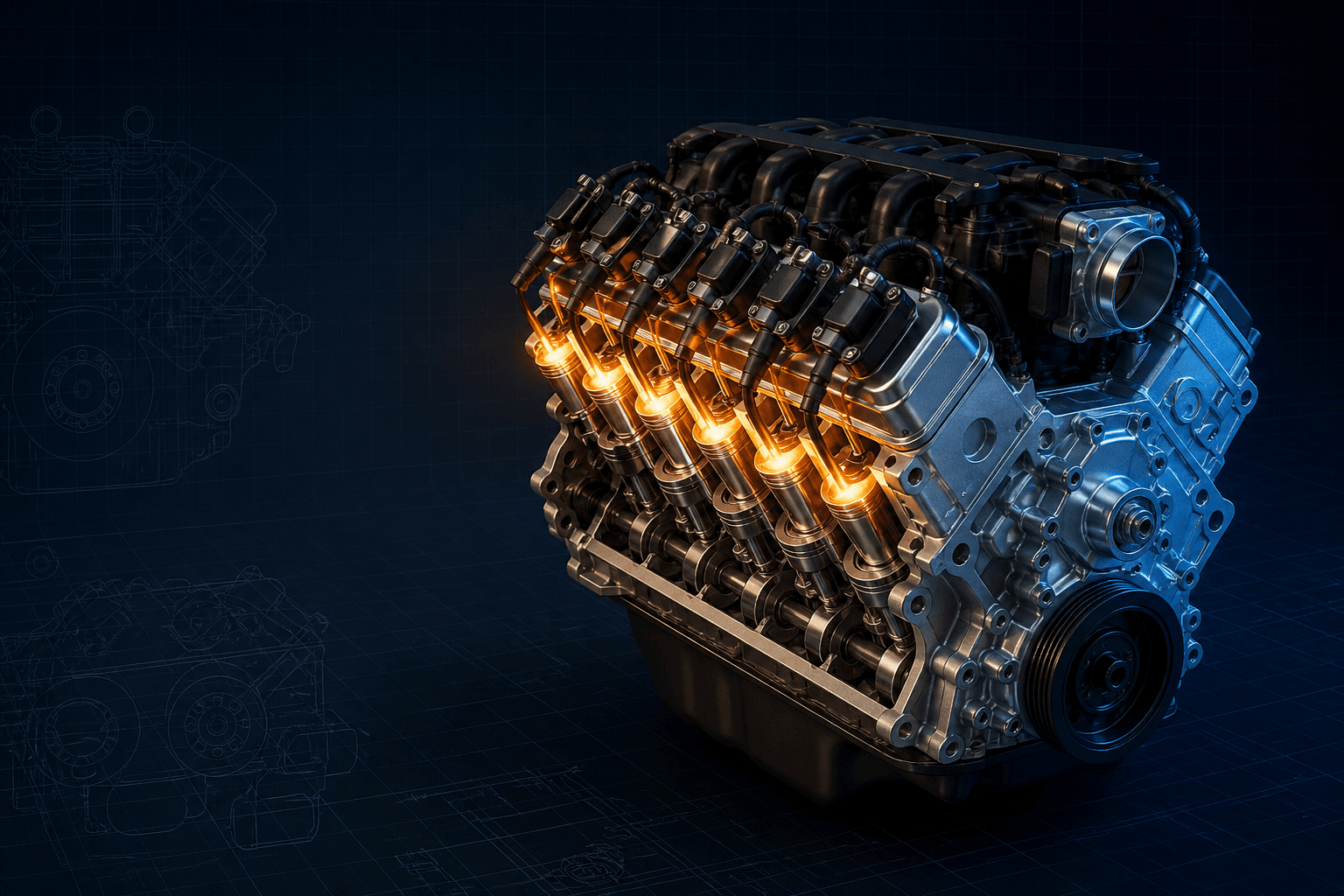
Interactive 1988 C1500 5.7L/350 V8 Automatic main service map
Branded downloads includedPNG and PDF exports carry the TorqueSheet logo, torquesheet.com, source-page URL, and republishing attribution request. The PDF source link is clickable.
Use the numbered map as an orientation aid only. The application-specific service diagram controls the actual bolt positions and stages.
Chevy 350 Flexplate Torque Specs
| APPLICATION / ITEM | SPECIFICATION | NOTES |
|---|---|---|
| Flexplate to crankshaft | 75 lb-ft | 100 N·m |
| Flexplate to torque converter | 50 lb-ft | 65 N·m; separate joint |
| Flexplate orientation | Application-specific | Check offset and balance weight |
| Ring gear and converter pattern | Inspect and match | Before final tightening |
The crank bolts and converter bolts are physically close but clamp different joints. Confirm flexplate offset, balance weight, tooth count and converter pattern, inspect the ring gear, and tighten each group progressively; a backward or mismatched plate cannot be corrected with torque.
How to use this specification correctly
- 01
Identify the engine code, model year, casting, gasket and exact fastener kit before disassembly.
- 02
Clean and inspect threads, bolt holes and mating faces using the component manufacturer's limits.
- 03
Follow the exact staged pattern with the specified lubricant or sealant; record torque and angle completion.
Keep the crank and converter fasteners separate
The 1988 truck chart uses 75 lb-ft where the flexplate clamps to the crankshaft and 50 lb-ft where the torque converter attaches to the plate. Swapping the values can overload the converter lugs or under-clamp the crank joint.
Rotate the engine by the approved method to access each converter fastener and confirm the converter remains seated correctly in the transmission pump before the transmission is pulled to the engine.
Orientation and balance checks before torque
Verify the flexplate's offset, balance weight, ring-gear tooth count and converter pattern. Mark the installed direction during removal when appropriate; a plate mounted backward can create starter and converter alignment problems even when all bolts are tight.
Clean the crank flange and flexplate, start every correct-length bolt by hand and tighten evenly. A replacement flexplate or fastener kit may specify a threadlocker or torque different from the production hardware.
Why 1988 C1500 5.7L/350 V8 Automatic identification changes the specification
The two values apply to the documented 1988 C1500 350 and production automatic-transmission joints. Other model years, one-piece rear-main-seal conversions, different converters, aftermarket plates and performance bolts require their exact procedures.
The crank bolts and converter bolts are physically close but clamp different joints. Confirm flexplate offset, balance weight, tooth count and converter pattern, inspect the ring gear, and tighten each group progressively; a backward or mismatched plate cannot be corrected with torque.
Assembly controls that prevent false torque
- Use the specified thread condition and lubricant.
- Separate main bolts from small or special-position fasteners.
- Use an angle gauge where torque-to-yield stages are specified.
- Stop if a fastener reaches the setting before the joint seats normally.
Chevrolet 1988 C1500 5.7L/350 V8 Automatic specifications can change by model year, engine, platform, wheel, and installed component. Confirm the VIN or engine identity, part numbers, fastener condition, and the current manufacturer instructions before service.
1988 Chevy 350 Flexplate Bolt Torque Specs FAQs
What is the 1988 Chevy 350 flexplate-to-crank torque?+
The covered C1500 specification is 75 lb-ft (100 N·m).
What is the flexplate-to-converter torque?+
The separate converter fasteners use 50 lb-ft (65 N·m).
Can the flexplate be installed either direction?+
No. Its offset, balance weight and converter relationship require the correct application-specific orientation.
Is flexplate balance the same on every Chevy 350?+
No. Crankshaft and rear-main-seal generations must be matched to the correct neutral or externally balanced plate.
Technical sources
TorqueSheet favors engine- and component-specific manufacturer instructions over unsourced universal values.
1GM manuals and guidesOfficial GM model-year and VIN manual lookup.↗